
Rodents
Rats and mice squeeze through small gaps, then chew wiring, contaminate food and nest in attics and walls.
Why rodents show up
Rats and mice want what every pest wants: food, water and a warm, protected place to nest. A pantry with loose packaging, an open trash can, bird feeders, pet food and fallen fruit are all invitations. When temperatures drop or a neighboring lot is cleared, rodents look for new shelter, and your attic or wall voids can look ideal.
They do not need much of an opening. A mouse can squeeze through a hole about the size of a dime, and a rat through one about the size of a quarter. They climb, jump and gnaw, so they can reach roof lines through tree limbs, power lines and rough siding.
Common species in Alabama and Georgia
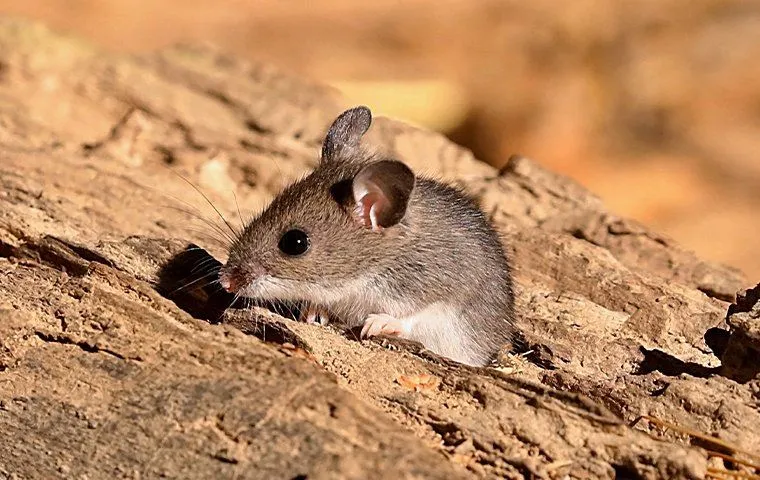
Roof rats are slender, with a long tail and large ears. They are strong climbers that nest in attics, soffits and trees, and are the rat you are most likely to hear overhead at night in the Southeast. Norway rats are heavier and burrow near foundations, in crawl spaces and under sheds. House mice are small, gray-brown and breed quickly, and a few can become many in a matter of months. White-footed mice and cotton mice also move into garages and outbuildings, especially in more rural areas.
Rodents gnaw on wiring, which is a fire concern, and they contaminate food and surfaces with droppings and urine.
How we treat rodents
The first job is finding out how they are getting in. A technician checks rooflines, vents, utility lines, doors and the foundation for gaps, and looks for droppings, rub marks and gnaw damage to see where the activity is.
From there we trap and monitor in the active areas and recommend sealing the openings, because removing rodents without closing the gaps just invites the next group. We check back to confirm activity has dropped, and we point out food sources and overhanging branches you can fix yourself.
Prevention tips
- Store food, pet food and birdseed in sealed metal or hard plastic containers.
- Use trash cans with tight lids and keep them away from the house.
- Seal any hole about the size of a dime or larger with steel wool and caulk or metal flashing.
- Trim tree limbs at least several feet back from the roof.
- Keep firewood, lumber and debris off the ground and away from walls.
- Repair damaged vents, soffits and door sweeps.
- Clean up fallen fruit and nuts in the yard.
Rodents FAQ
How are rodents getting into my house?
A mouse can squeeze through a hole about the size of a dime, and rats need only a little more room. Common entry points include gaps around pipes and utility lines, vents, garage doors and the roofline.
Are traps enough to fix a rodent problem?
Traps remove the rodents already inside, but more can follow if the way in stays open. Lasting control means removing them, finding the entry points and cutting off food and shelter. Your technician will point out the gaps they find.
Other pests
Ready for a pest-free home?
Schedule today and get $50 OFF your first service.