
Fleas & Ticks
Fleas and ticks ride in on pets and wildlife, and ticks in Alabama and Georgia can carry illness.
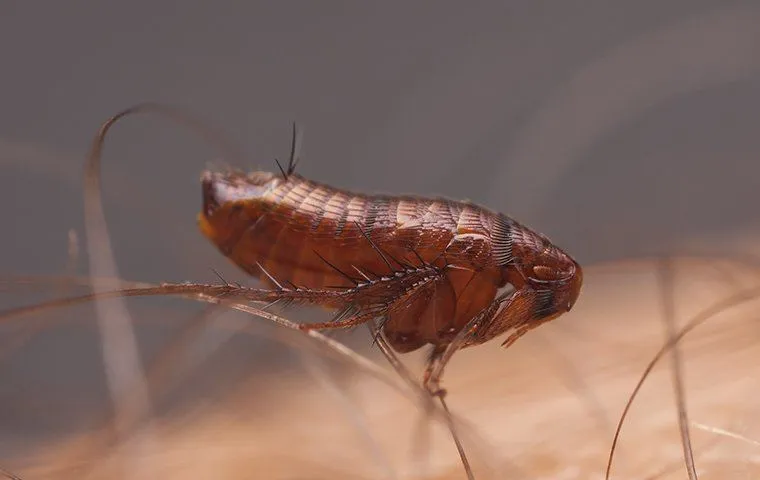
Why fleas and ticks show up
Fleas and ticks need a host. Pets, deer, raccoons, opossums, rodents and stray cats and dogs carry them into yards, and from there they come into homes on fur and clothing. Fleas can multiply fast. Adults feed on your pet, but most of the population, the eggs, larvae and pupae, lives in carpet, bedding, upholstery and cracks in the floor. That is why a pet that was treated can still be reinfested.
Ticks wait on tall grass, leaf litter and brush edges for something to brush past, then climb on and attach. Warm, humid weather in the Southeast gives them a long season, and mild winters mean they are never completely gone.
Common species in Alabama and Georgia
Cat fleas are the common flea and bite both cats and dogs, as well as people. Lone star ticks are the most common tick in the region. They are aggressive biters, can transmit ehrlichiosis, and their bites have been linked to alpha-gal syndrome, an allergy to red meat. American dog ticks are also common and can transmit spotted fever rickettsiosis. Blacklegged (deer) ticks are present, but Lyme disease is uncommon here. Brown dog ticks can live and breed indoors, which makes them a household problem rather than just a yard one. See your doctor if you develop a fever or rash after a tick bite.
How we treat fleas and ticks
Most of a flea population is hidden as eggs, larvae and pupae, so we treat the home and the yard together. A technician finds where pets rest, where wildlife passes through and where grass and brush stay thick and shady, then treats those spots indoors and out.
Fleas usually need a follow-up visit, since new adults keep emerging from pupae after the first one. Your pet’s veterinarian should treat your pets at the same time, and we give you a prep list so the visit works as intended.
Prevention tips
- Keep pets on a veterinarian-recommended flea and tick preventive.
- Wash pet bedding weekly and vacuum carpets and furniture often.
- Mow regularly and trim brush and tall grass at the edges of the yard.
- Create a barrier of mulch or gravel between lawn and wooded areas.
- Do not leave pet food outside, which draws wildlife.
- Check yourself, children and pets for ticks after time outdoors.
- Seal gaps under decks and sheds where wildlife can den.
Fleas & Ticks FAQ
My pet is on flea medicine. Do I still need treatment?
Pet flea prevention matters, but much of a flea population lives off the animal as eggs, larvae and pupae in carpet, bedding and shady parts of the yard. Treating the home and yard alongside your vet's advice breaks the cycle faster.
How can I lower my family's tick risk?
Keep the grass mowed, clear brush and leaf litter along the edges of the yard, and check kids and pets after time outdoors. Ticks prefer tall grass and wooded edges, so keeping play areas open helps.
Other pests
Ready for a pest-free home?
Schedule today and get $50 OFF your first service.