
Stinging Insects
Wasps, hornets, yellow jackets and bees build nests under eaves, in shrubs and even underground around your home.
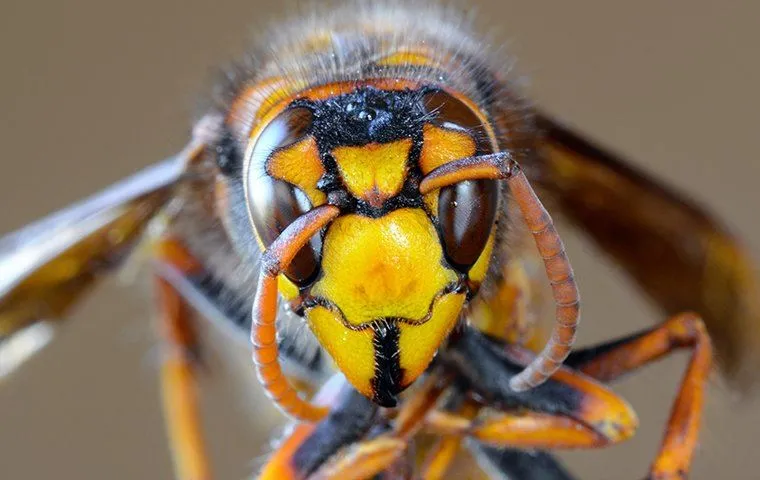
Why stinging insects show up
Wasps, hornets, yellow jackets and bees look for sheltered spots to build a nest and for food nearby. A quiet corner of a porch ceiling, a gap under the eaves, a shrub, a hollow tree, an old mailbox or a hole in the lawn can all work. Sweet drinks, uncovered trash and pet food draw foragers to patios and decks, and flowering plants bring in more.
Nests start small in spring, with a single queen, and keep growing through summer. By late summer and early fall, a nest can hold hundreds of insects, and they become more defensive and more likely to sting.
Common species in Alabama and Georgia
Paper wasps build open, umbrella-shaped nests under eaves, railings and door frames. Mud daubers make tubular nests of mud and are usually not aggressive. Yellow jackets often nest in the ground or in wall voids and defend the nest fiercely. Bald-faced hornets build large gray paper nests in trees and on structures. Carpenter bees, which look like bumble bees with a shiny black abdomen, bore round holes in unpainted or weathered wood. Honey bees may also move into walls and trees. Honey bees are important pollinators, so call us before treating a colony; there are often local beekeepers who will relocate them.
Stings can be dangerous for anyone with an allergy. Seek emergency care right away if someone has trouble breathing or swelling beyond the sting site.
How we treat stinging insects
Species and nest location decide the approach, so we identify the insect and find the nest first. A paper wasp nest under a porch ceiling is a different job from a yellow jacket colony in a wall void.
We treat the nest and the area around it, and remove accessible nests once they are inactive. Nests in walls or high on a structure are best left to professionals, since disturbing them can provoke a swarm. To discourage new nests, we can also treat the spots wasps and carpenter bees favor, and we follow up if activity continues.
Prevention tips
- Do not try to knock down or spray a nest yourself, even a small one, especially from a ladder. Call us instead.
- Keep trash cans closed and clean up drink spills and food scraps outdoors.
- Seal gaps in siding, soffits and vents.
- Paint or stain exposed wood to discourage carpenter bees.
- Check eaves, sheds and grills early in spring, and call us if you spot a new nest.
- Fill holes in the lawn and keep an eye out for ground nests when mowing.
Stinging Insects FAQ
Should I remove a nest myself?
We don't recommend it. Yellow jackets and hornets defend their nests aggressively, and nests in the ground or inside walls are often bigger than they look. Anyone allergic to stings should stay well away.
When are stinging insects most active?
Nests start small in spring and grow through the summer, so late summer and early fall is when yellow jackets and wasps are most numerous and most defensive. A nest is easier to deal with early in the season.
Other pests
Ready for a pest-free home?
Schedule today and get $50 OFF your first service.