
Termites
Subterranean termites are active across Alabama and Georgia and can quietly damage wood for months before anyone notices.
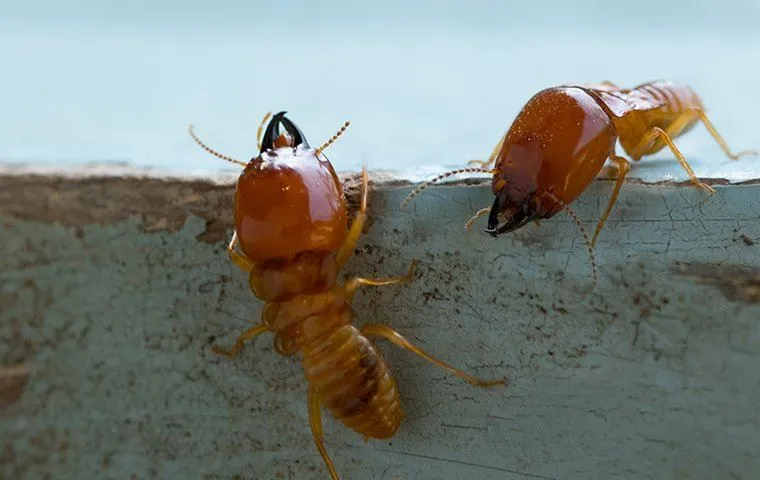
Why termites show up
Termites feed on cellulose, the main material in wood, paper and many building materials. Your home gives them both a meal and shelter. Subterranean termites live in colonies in the soil and need moisture, so they build mud tubes to travel between the ground and the wood they eat, protected from open air. They can enter through cracks about the thickness of a business card.
Moisture and wood-to-soil contact are the biggest invitations: leaking pipes and gutters, poor drainage, mulch piled against siding, firewood stacked against the house, and wood trim or framing that touches the ground. Because damage happens out of sight, a colony can feed for a long time before there is any sign. Termite pressure is high across Alabama and Georgia, so regular inspections are worthwhile.
Common species in Alabama and Georgia
Eastern subterranean termites are the most common and responsible for most structural damage in the Southeast. Colonies are underground, and winged swarmers emerge in spring to start new ones. Formosan subterranean termites are present in parts of the region. They form larger colonies and can cause damage faster, so early identification matters. Drywood termites are less common inland but turn up in some places, and dampwood termites favor very wet, decaying wood.
How we treat termites
Everything starts with an inspection. A technician checks the foundation, crawl space, attic access, sills, door and window frames and the soil line for mud tubes, damaged wood and conditions that favor termites.
Because every property is different, we quote termite treatment plans after an inspection rather than over the phone, based on what is found, how the home was built and the species involved. Treatment generally involves a treated zone in the soil around the structure and treatment of active areas, and in some cases bait systems. We explain the options before any work begins. Follow-up inspections matter, since termite activity can continue or return.
Prevention tips
- Fix leaks and keep gutters and downspouts directing water away from the foundation.
- Keep mulch and soil a few inches below siding and out of contact with wood.
- Store firewood and lumber away from the house and off the ground.
- Make sure crawl spaces are ventilated and dry.
- Do not ignore swarmers, mud tubes or hollow-sounding wood.
- Schedule a termite inspection, especially when buying a home.
Termites FAQ
How much does termite treatment cost?
It depends on your home's size and construction and on what the inspection finds. That's why we quote termite treatment plans after a technician has inspected the property.
Are flying ants and termite swarmers the same thing?
No, though they're easy to mix up. Termite swarmers have straight antennae, a thick waist and two pairs of wings of equal length. Flying ants have bent antennae, a pinched waist and front wings longer than the back ones.
Other pests
Ready for a pest-free home?
Schedule today and get $50 OFF your first service.